UrbanRail.Net > Europe > Budapest
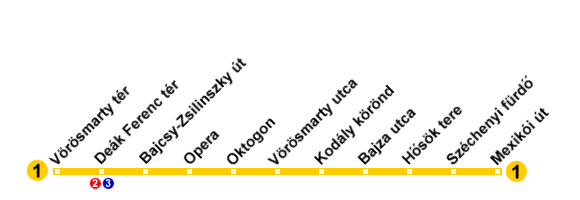
| Line M1 Vörösmarty tér - Mexikói út | 5 km, 11 stations |
|
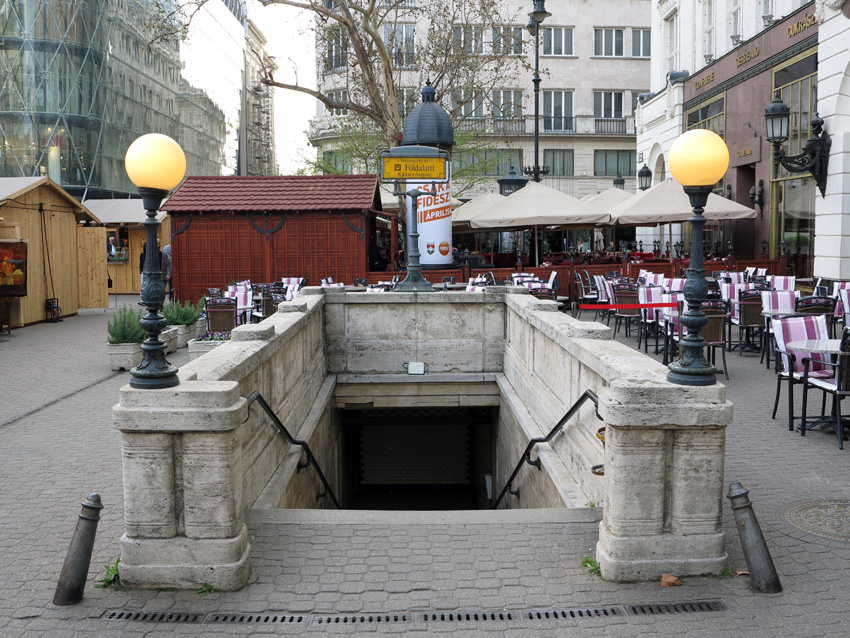
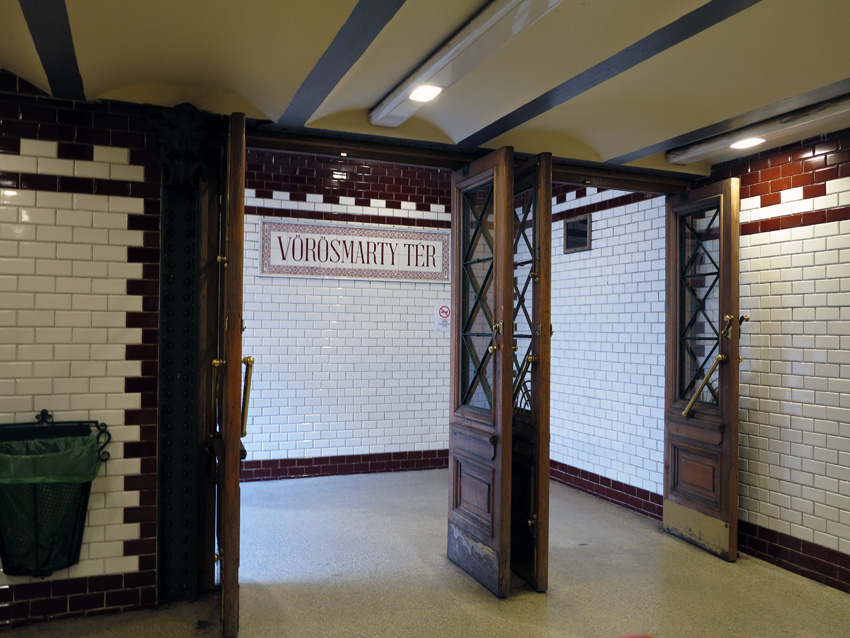
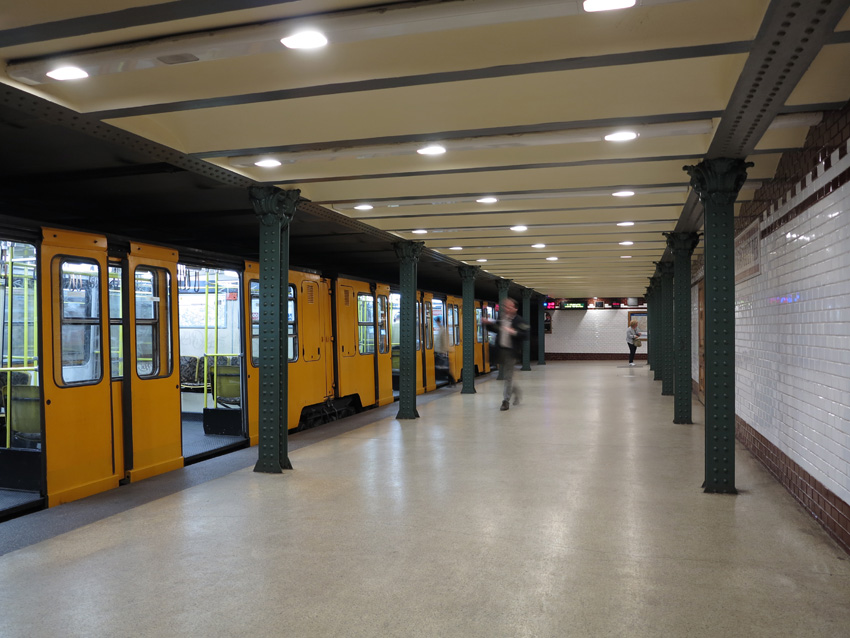
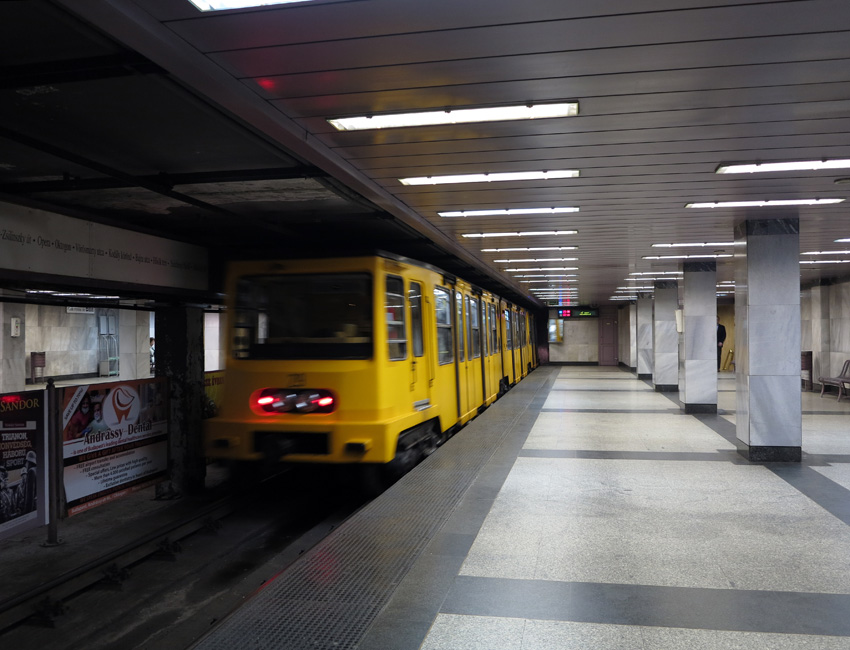
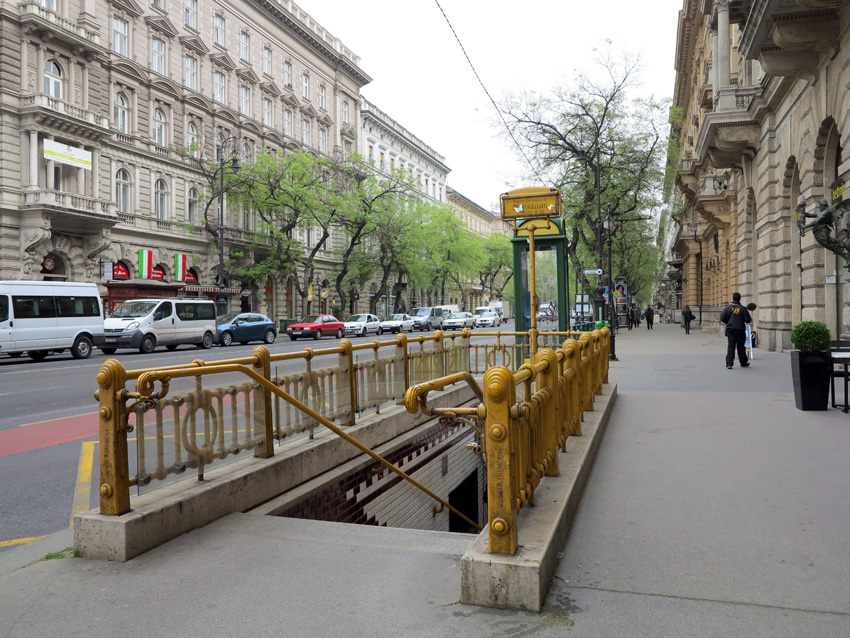
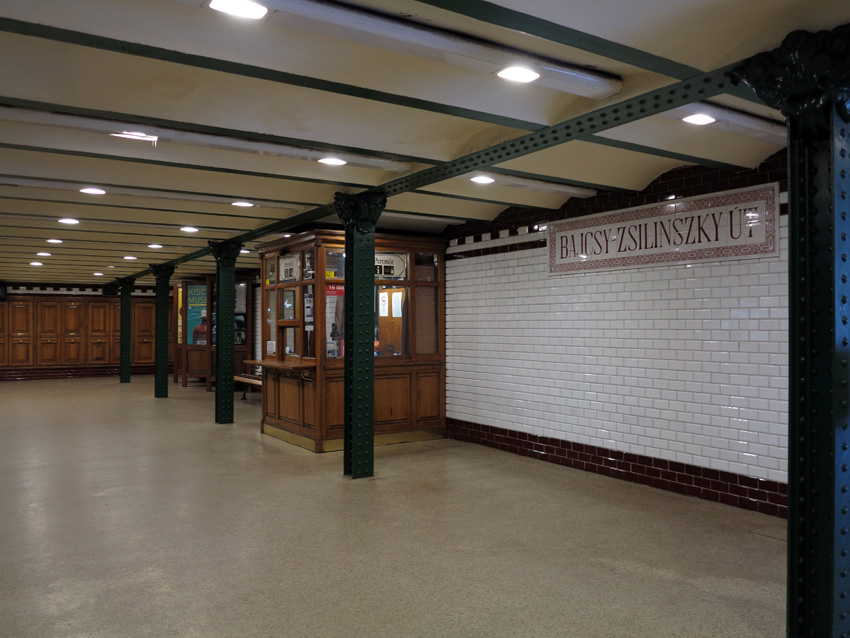
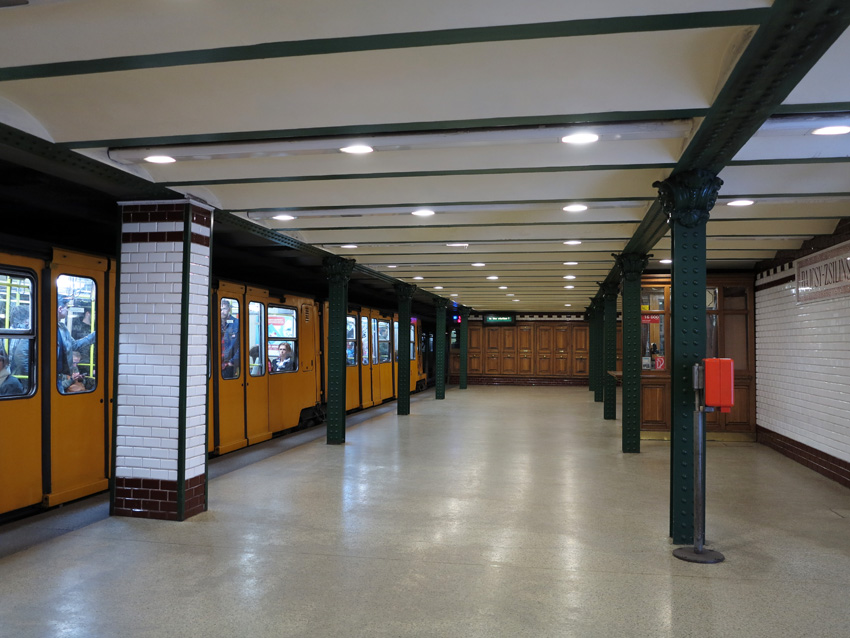
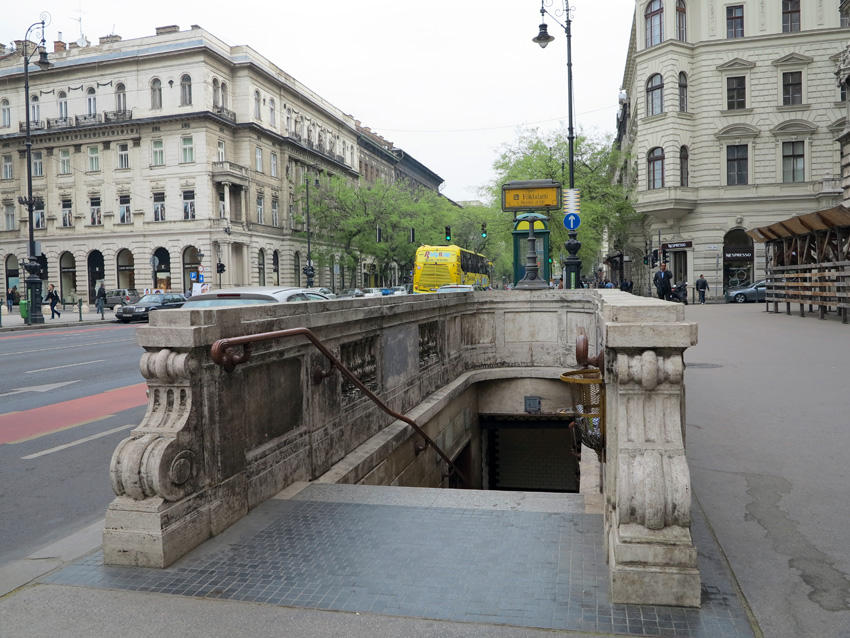
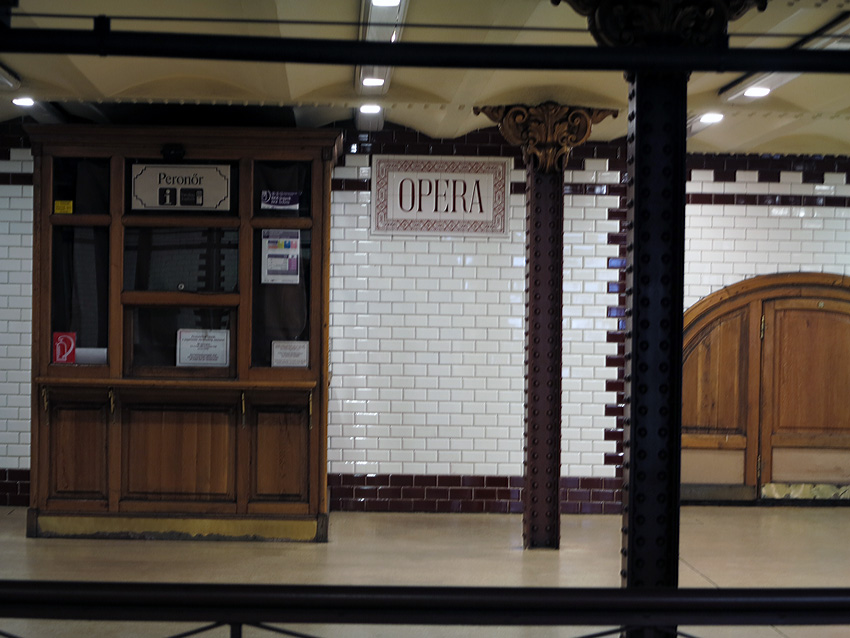
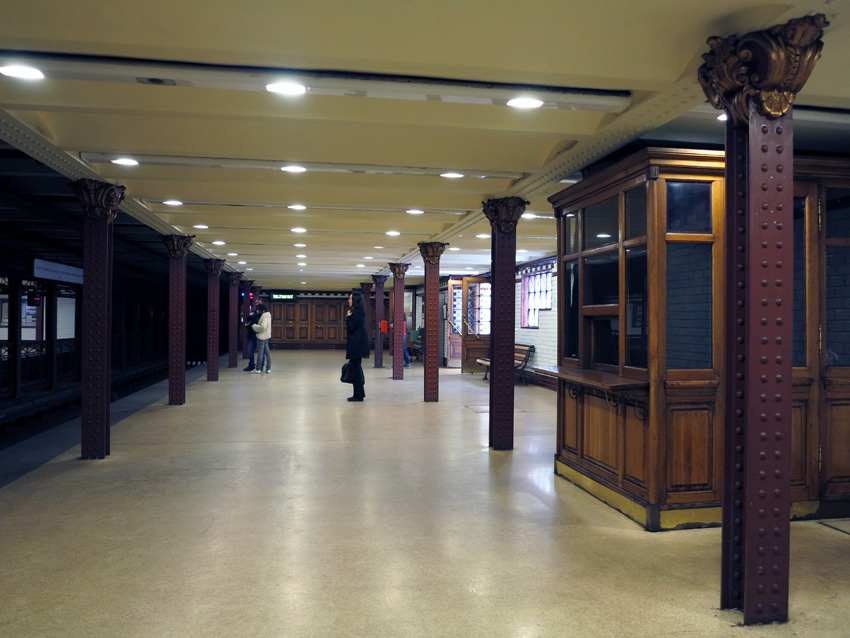
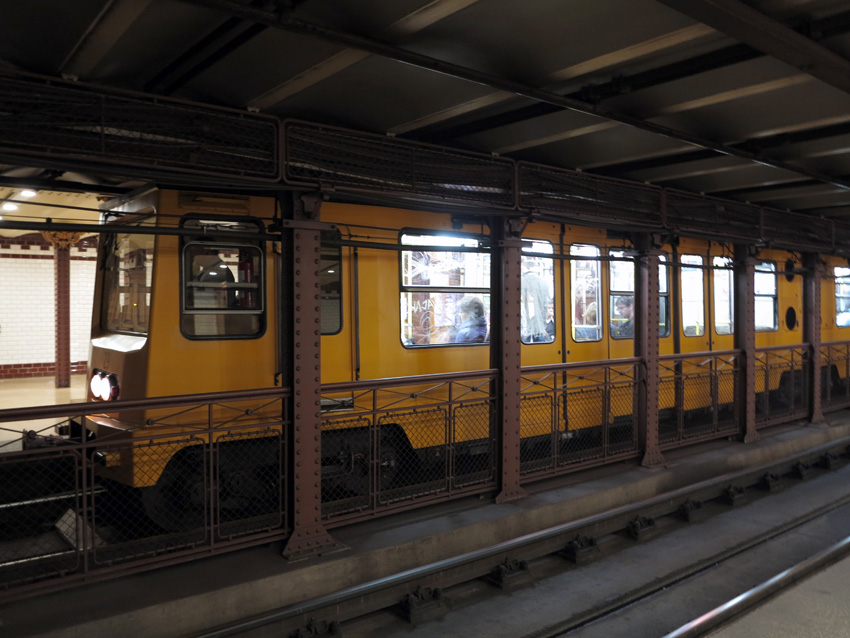
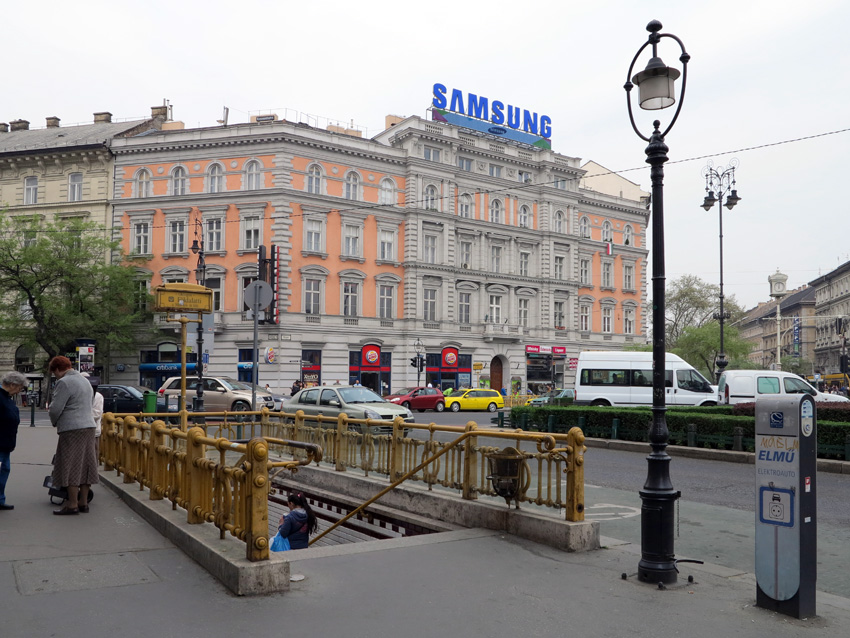
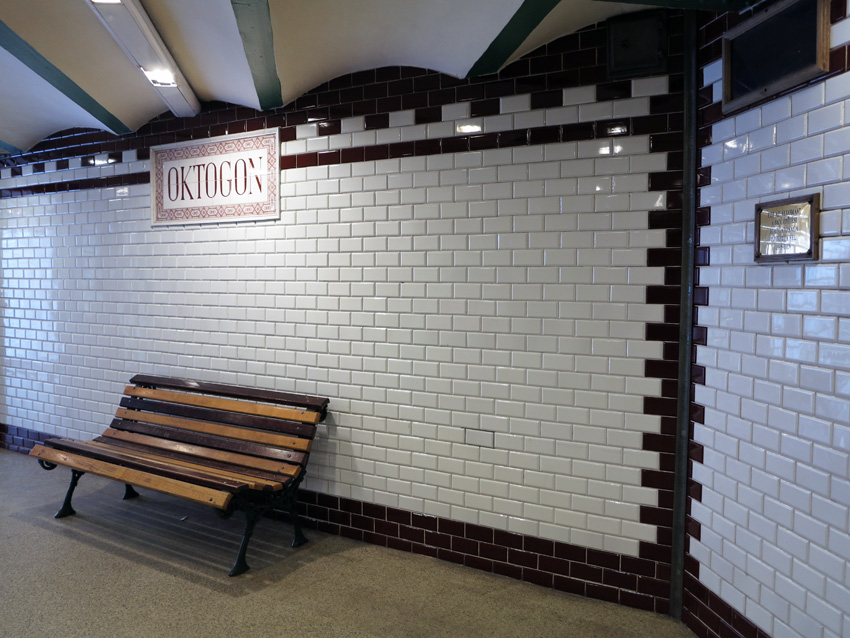
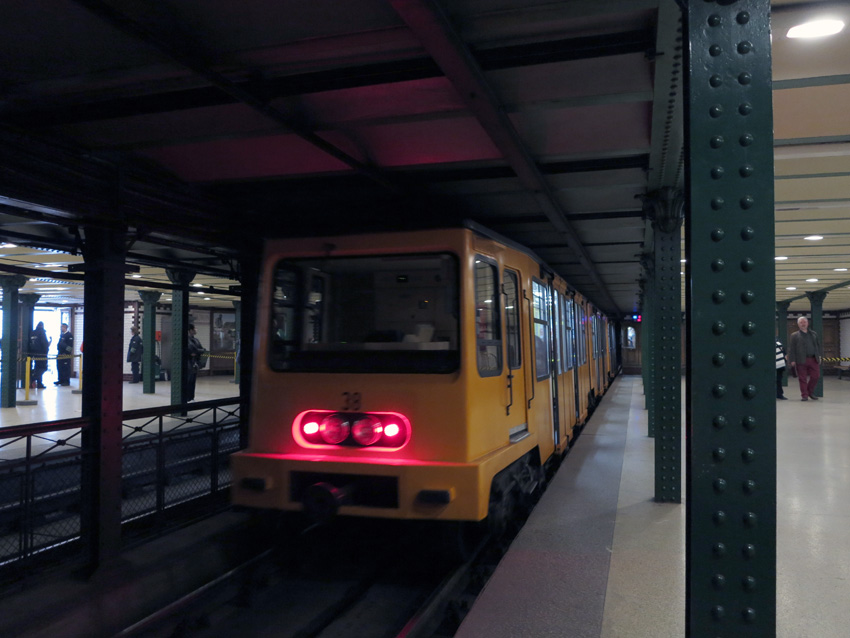
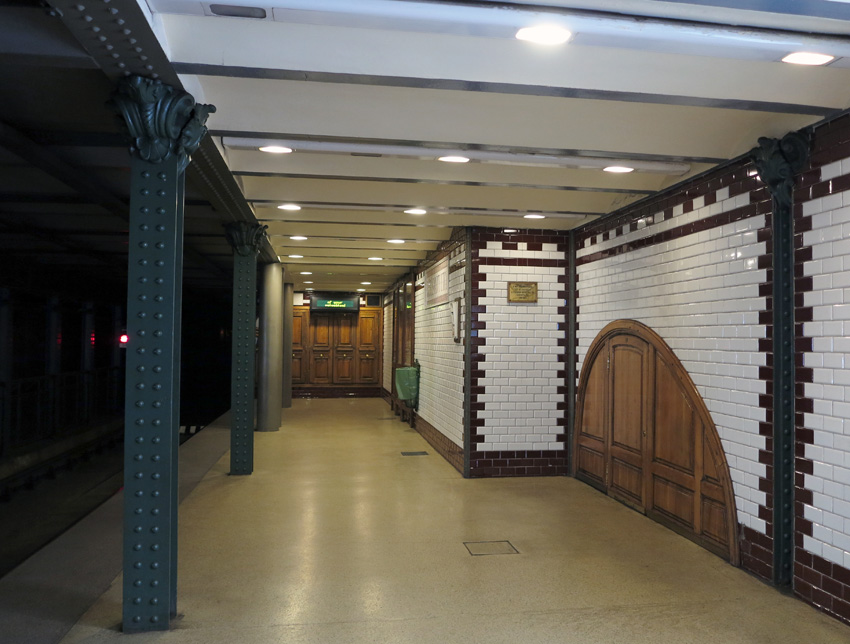
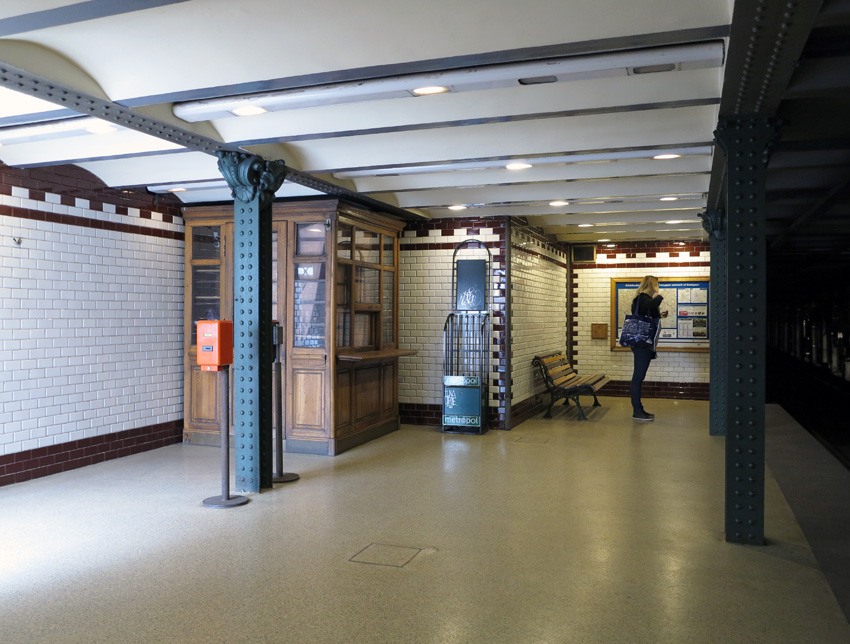
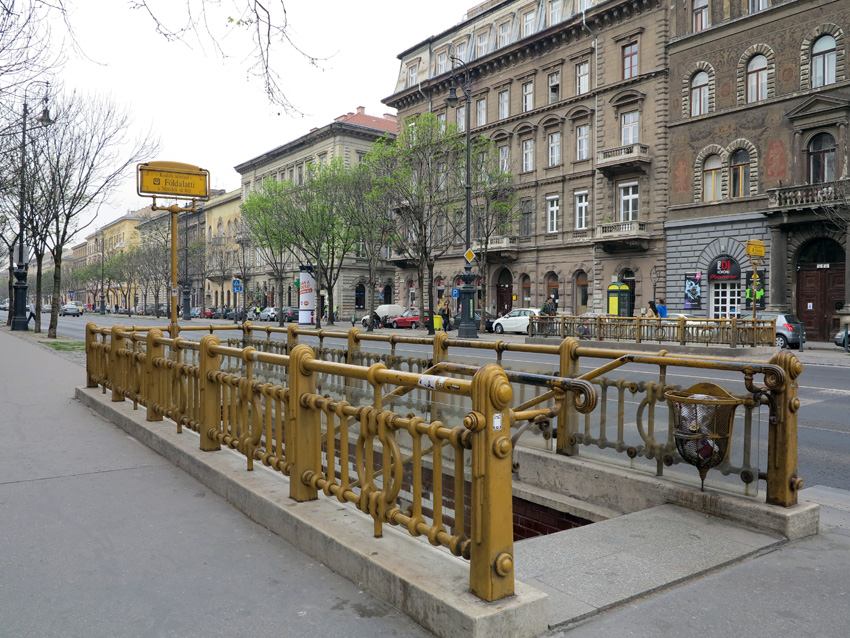
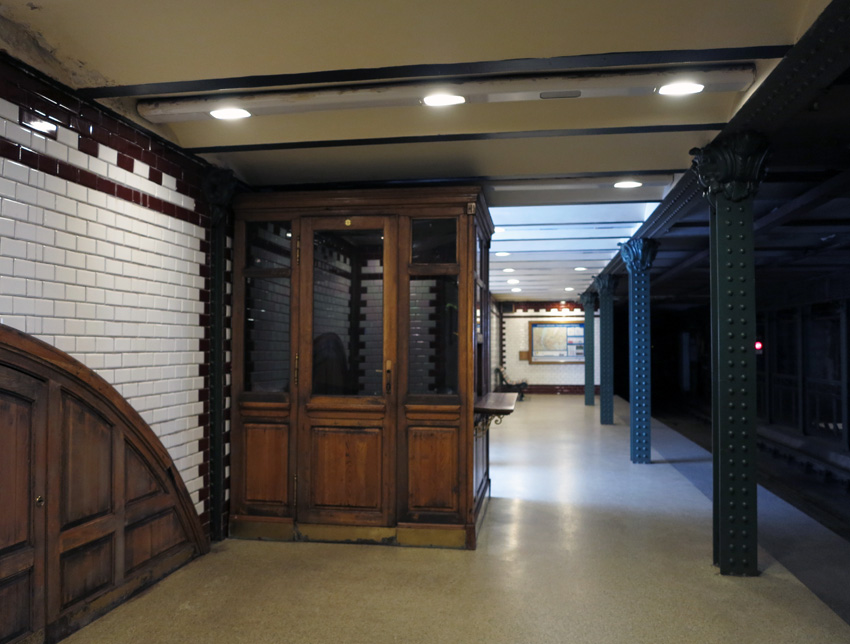
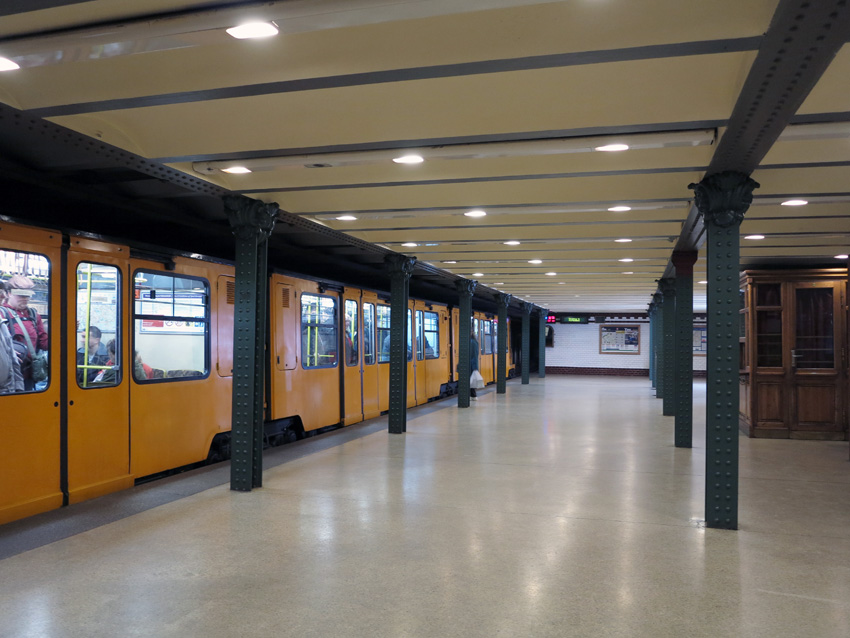
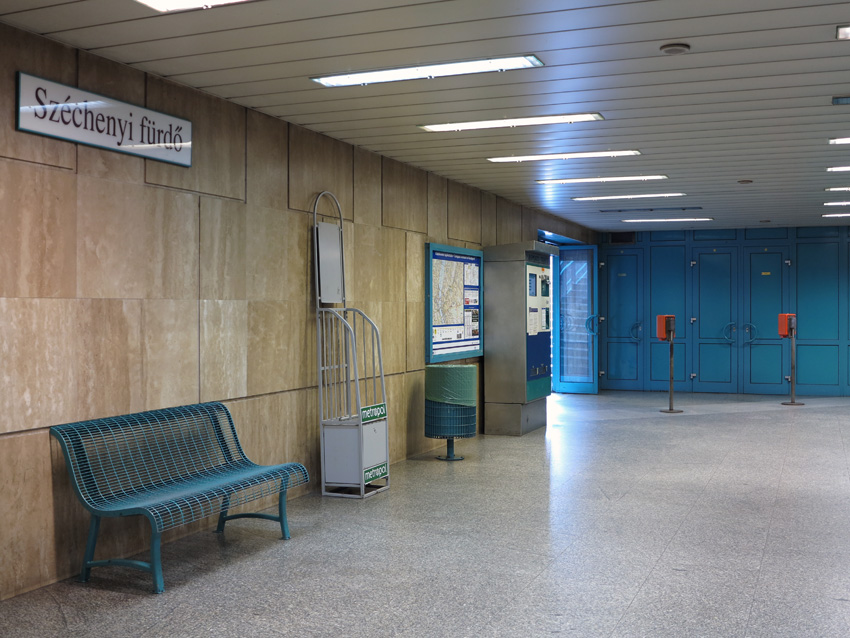
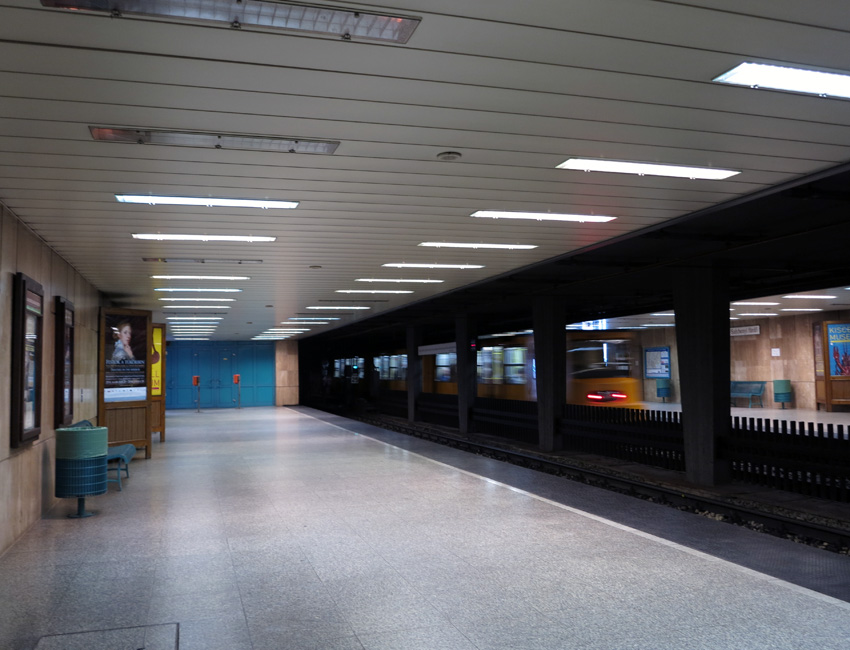
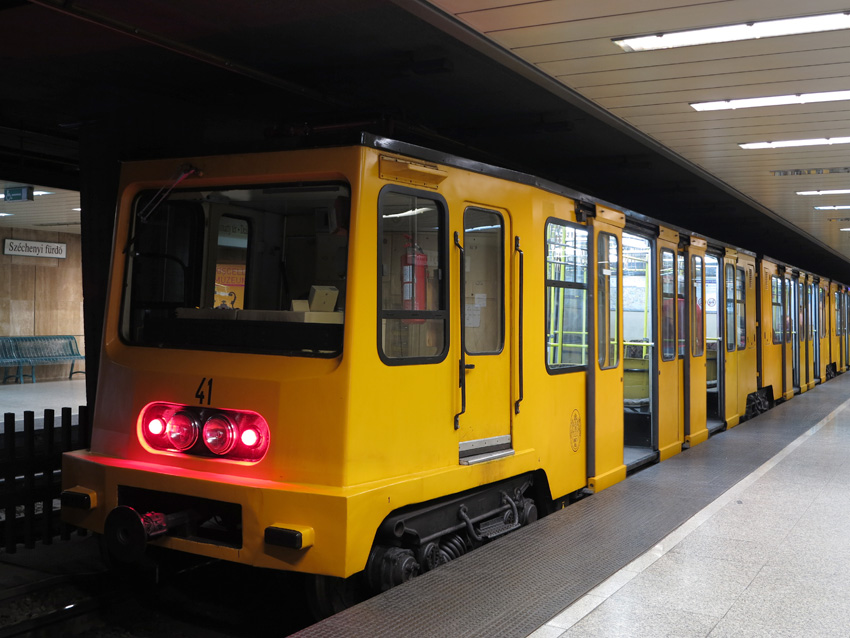
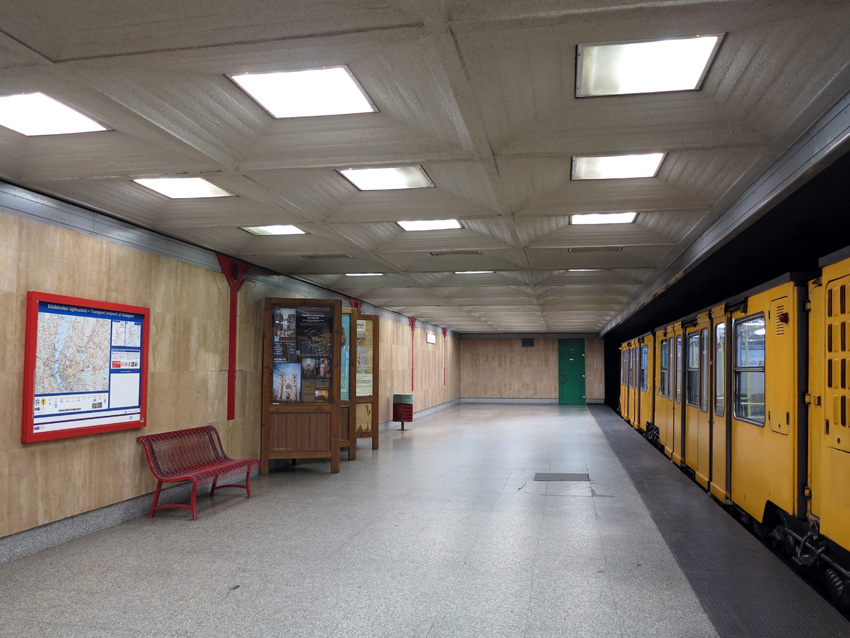
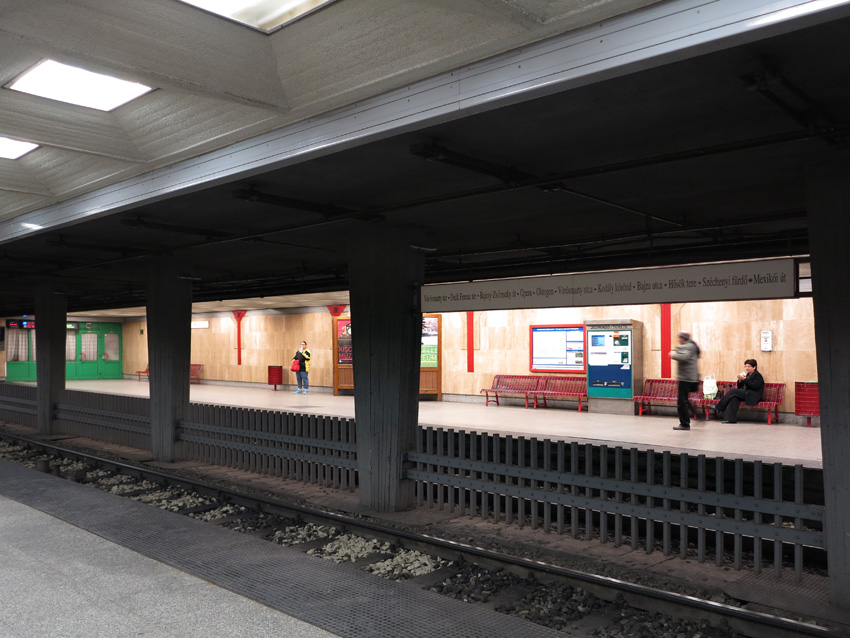
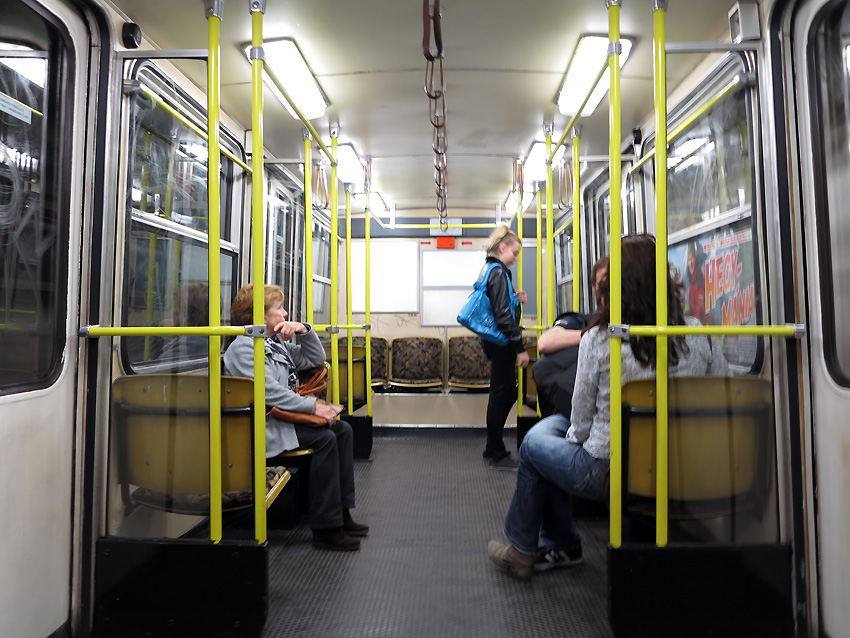
When line M1 was opened in 1896 between Vörösmarty tér in the centre and Széchenyi fürdő it was the first electric underground (Földalatti) line on the European mainland. It was classified as an underground tram line until metro line M3 was built, when this line was named M1. The primary reason to build the Földalatti was that the city government did not allow the construction of a tram route on Sugár street (now Andrássy street). The contract was awarded to Siemens & Halske and demanded the underground line to be finished for the 1986 Millennium Exhibition. It was therefore called the "Millennium Underground Railway" (MFAV). There were only 20 months to build it. As it had to cross the main sewage collector at Oktogon by passing over the canal, the height of the tunnel had to be very limited. Until 1973 there was a surface section of 463 m through the city park and the line was operated on the left side. In that year, new 30 m trains were delivered by Ganz. At the same time, the line was extended to Mexikói út, now totally underground. Deák Ferenc tér station was rebuilt to link the line to the intersecting metro lines; part of the old tunnel is now home to the metro museum. The three new stations (Deák Ferenc tér, Széchenyi fürdő, Mexikói út) boast designs typical for the socialist period. Vörösmarty tér station was also modified, but in 1996 it was rebuilt in its original style. Average
station distance: 325 m |
|
| History | |
|
02-05-1896:
Vörösmarty tér (formerly Gizella tér) - Széchenyi fürdő
(formerly aboveground and named Artézi fürdő) |
|
| Stations | |
|
Vörösmarty
tér |
|
|
Deák Ferenc tér |
|
|
Bajcsy-Zsilinszky út |
|
|
Opera |
|
|
Oktogon |
|
|
Vörösmarty utca |
|
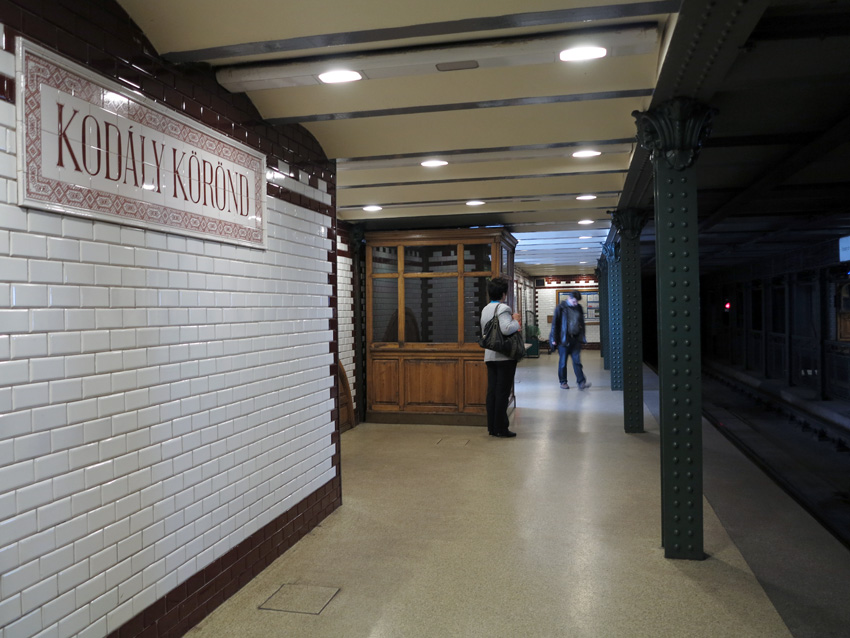
| Kodály körönd |
|
| Bajza utca |
|
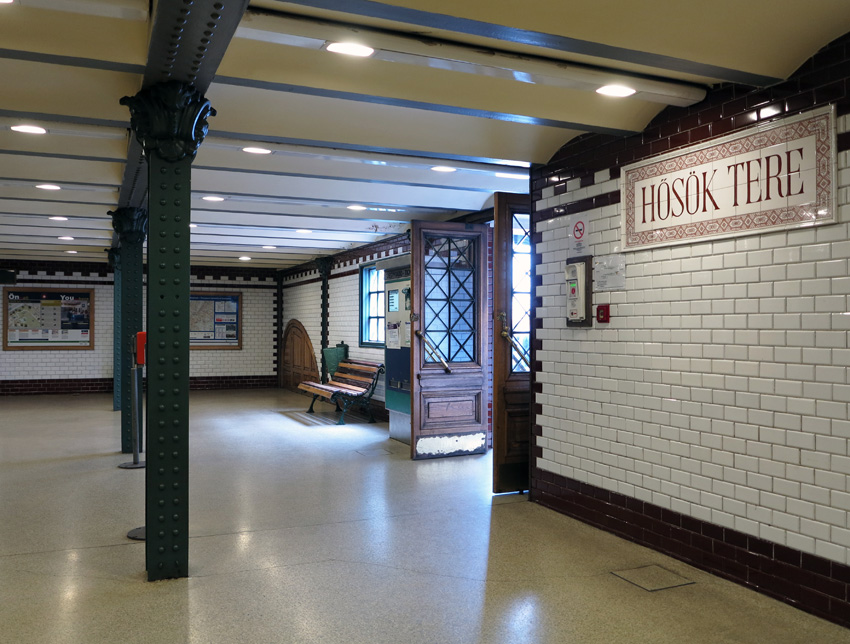
| Hősök tere |
|
|
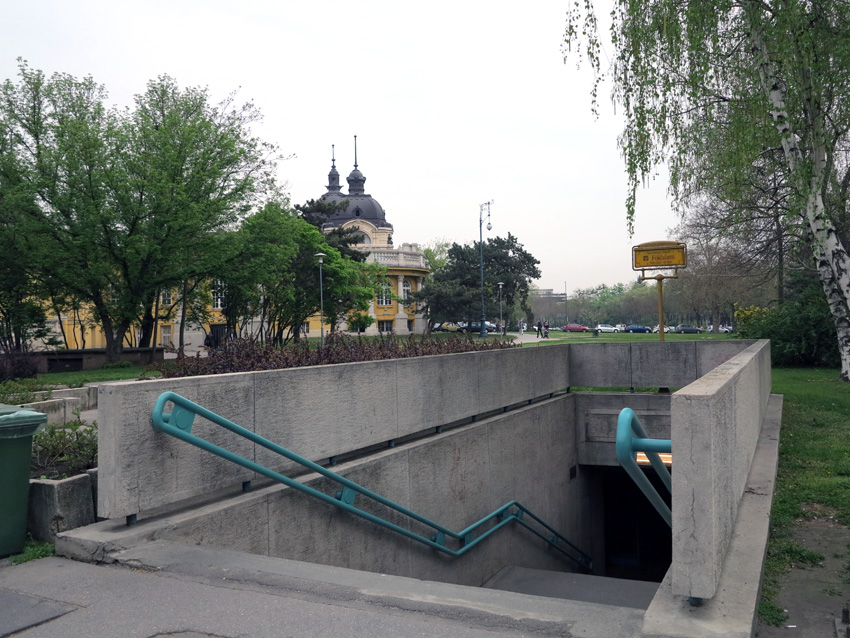
Széchenyi fürdő
|
|
|
Mexikói út |
|
|
All photos © Robert Schwandl, 2014 |
2011 © UrbanRail.Net by Robert Schwandl.