|
[ UrbanRail.Net ] [ Europe ] [ America ] [ Asia ] [ Africa ] [ Oceania ] [ News ] [ Books ] [ Links ] |
|
ALGIERS
. AL JAZA'IR
|
| Algeria |
|
News
|
|||||
|
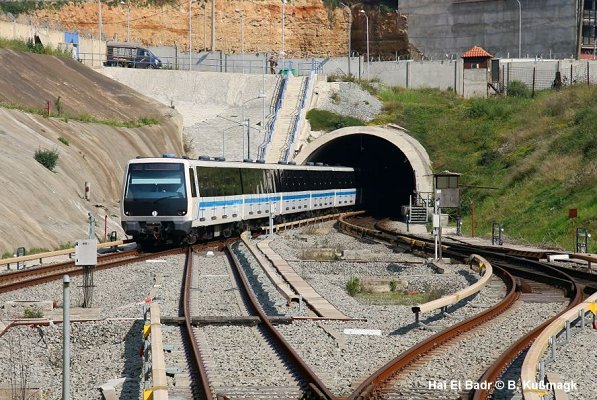
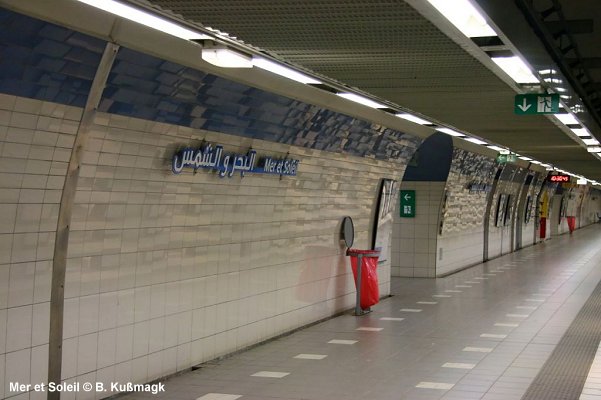
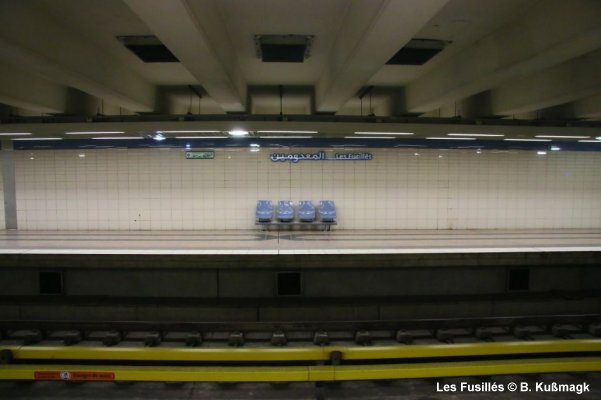
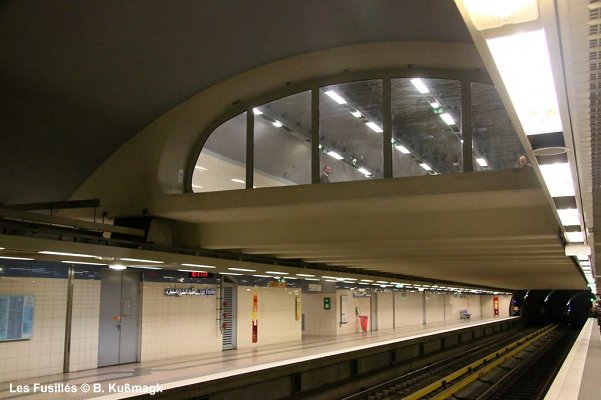
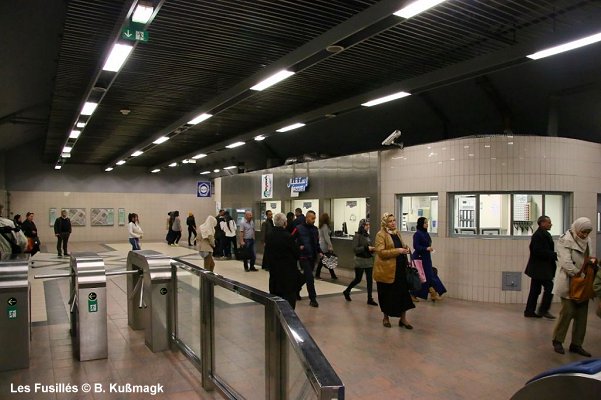
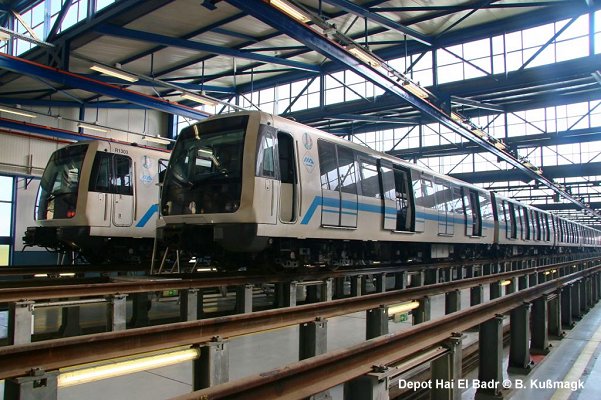
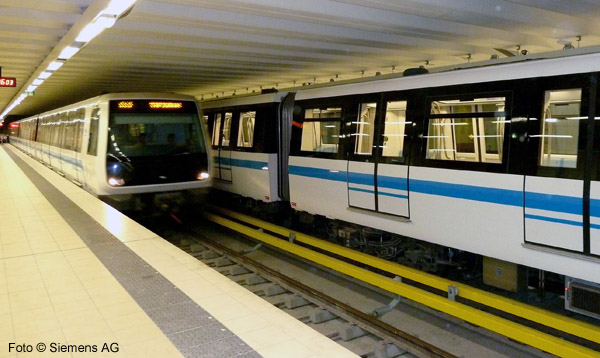
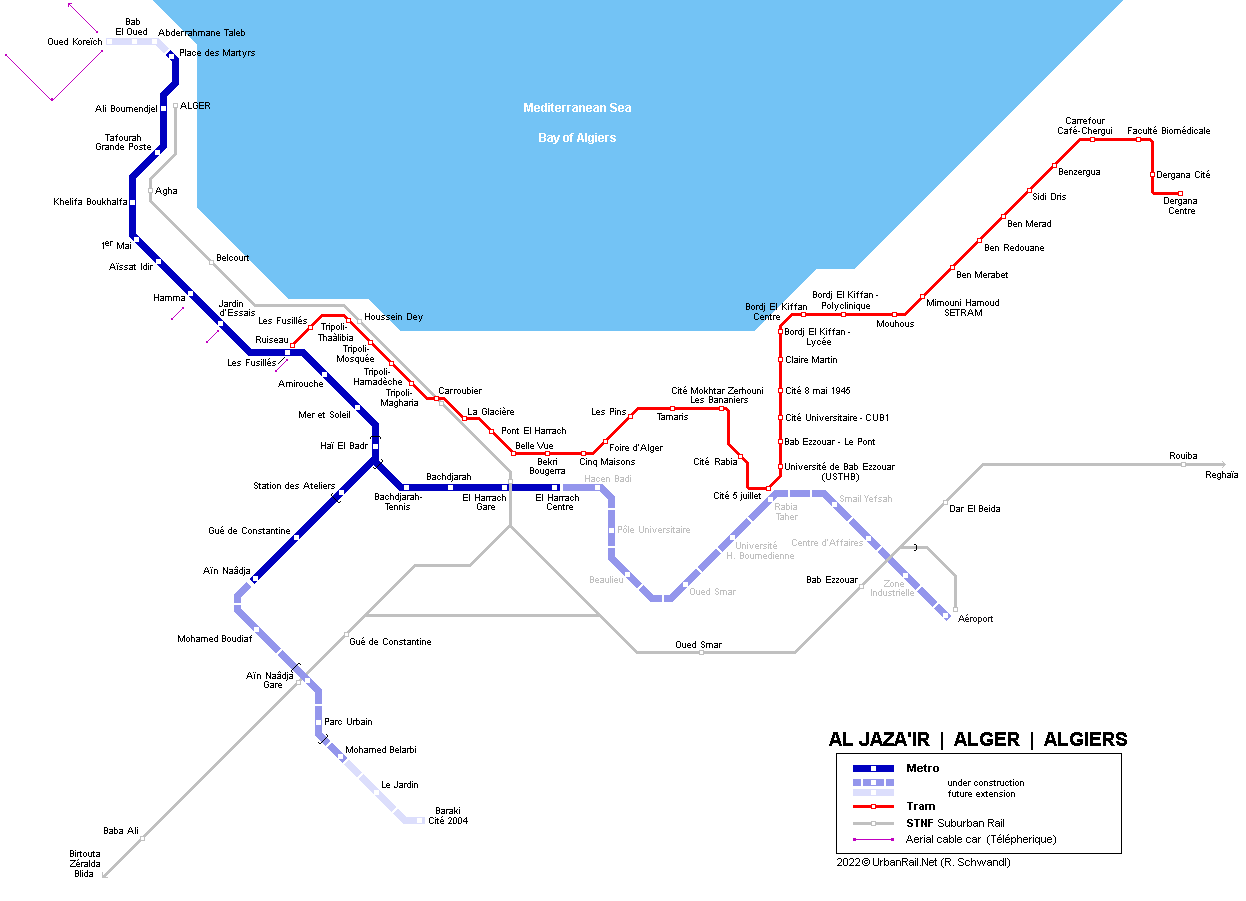
Siemens press release 25 January 2006: The first metro line in Algiers, Algeria, is to be built under the leadership of Siemens Transportation Systems France. The Siemens-led consortium includes the two companies Construcciones y Auxiliar de Ferrocarriles S.A. (CAF) and Vinci Construction. The metro operator Entreprise Métro d’Alger (EMA) has given the consortium the order to construct the first section of Line 1 for a total value of EUR 380 million. The Siemens share amounts to approximately EUR 145 million. As consortium leader Siemens Transportation Systems France is responsible for the overall project management, the control and signaling systems, telecommunications, power supply, ticketing, tracks and control center equipment. The Spanish company CAF will supply the 14 metro trains, each of which consisting of six cars. The French company Vinci Construction Grand Projets will build the metro stations, install the tunnel ventilation and erect the administration building and depot. The first section of the metro line in Algiers will run mainly underground, will be nine kilometers long and will have ten stops. Extensions are already being planned. |
|||||
|
History
|
|||||
|
-- |
|||||
|
Project
|
|||||
|
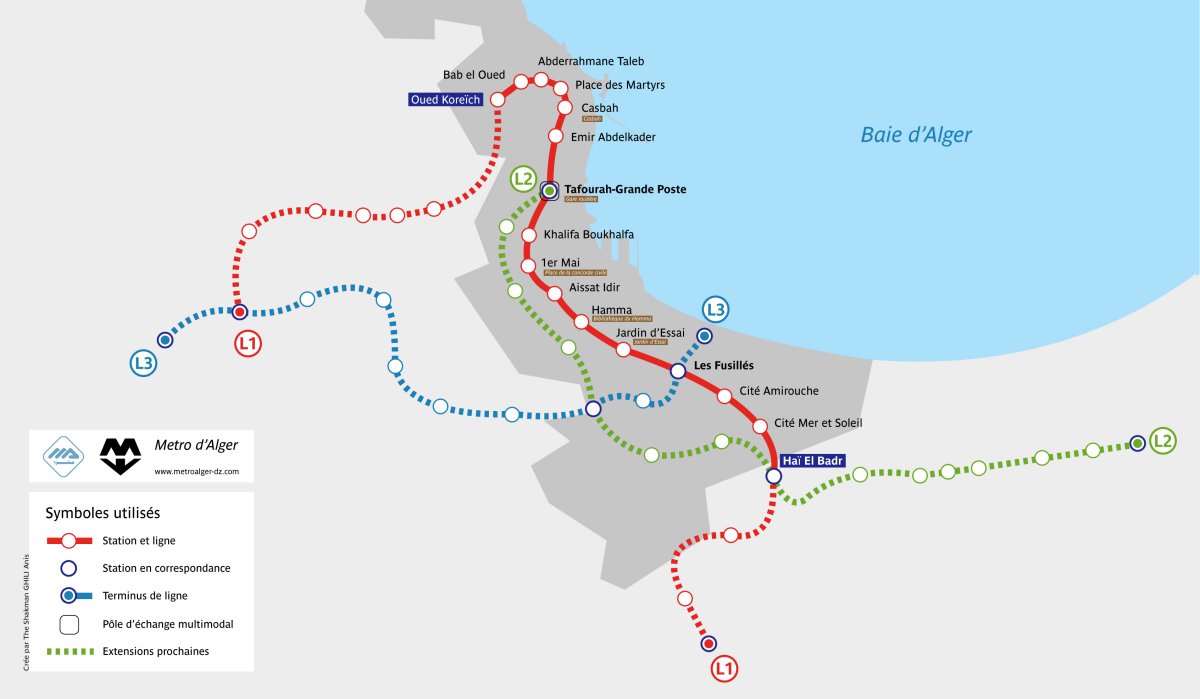
by Monia Denine Situation Analysis In June 1981, The Algerian government decided to introduce a metro underground system in the capital, which cannot still "see the end of the tunnel." In 1986 Algeria's economy faced some difficulties because of the collapse of oil prices. The government's first reaction was to freeze the metro project, which was then estimated to cost 5.2 billion dinars (£ 49.590.000). The Algiers metro is supposed to be made of 3 lines containing 54-stations:
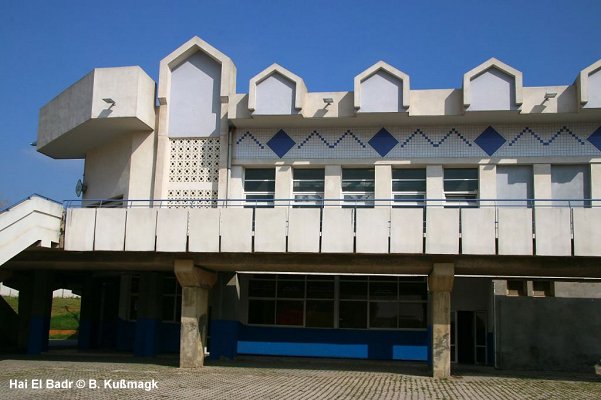
The line linking Hai El-Badr to Oued Koureich is to be built in two stages. The first stage would link Hai El-Bard to downtown in the Grand Poste area. This route is a 9 kilometre tunnel with 10 stations. The second stage is the continuation of the first route with a 3.5 kilometre tunnel between the Emir Abdelkader area and the neighbourhood of Oued Koreiche. A total of 6 stations will be built on this second route. The stations that are with completion rates of 97% are: Aissat Idir, Place du 1er Mai, Tafourah, Grande Poste.Stations like Khelifa Boukhalfa and Hamma will be completed by 2003.
Even though Geni Sider and Cosider (www.cosider-groupe.com) are recognised construction giants in Algeria, neither of them have had experience managing underground projects, and immediately faced significant difficulties. These included the lack of experience and technology, and also the government authority for not using project-related explosives (1993-1999). Only in 1999, that the government authorised these companies to use explosives. The prime minister issued Executive Order number 3 of February 1997, which obliges state-owned companies to pay private enterprises and other private contractors without any delay. Therefore, whenever Geni Sider or Cosider hired a private company to handle part of the project, they were expected to pay immediately for services. But consistent intervention at the ministerial level helped the metro project to obtain in June 1997 a credit line of AD 335 million (£ 3.194.807). After endless negotiations, the project's budget in 1997 was raised to AD 1.1 billion (£10.490.000), and in 1998 to AD 1.5 billion (£ 14.310.000). 3 Like all major projects, the Algiers metro project is not an easy task, especially with the country political unrest. As terrorism is hitting hard on the borders of the capital, the metro enterprise has to rethink its security strategies and safety measures like introducing the following: ·
Platform glass doors that prevent suicidal acts and accidents
especially during rush hours. This will demand significant increases in expenditure and a turnabout in the conception of how to prevent terrorism in the stations and on the trains.
The metro is now in search of financing through either partnership or a concession." In fact, many international companies have contacted the authorities to learn about their potential contribution but there have been no serious negotiations so far. The World Bank experts say the first line will be operational in 2008 with the condition that the line is offered as a concession to a management company with a contract to be signed prior to June 2003. The World Bank is providing assistance to Algeria in this area and a study is underway to consider the concession format in the underground project.
What are the Benefits?For the Public: As far as line 1 is concerned, 300.000 passengers are expected to be using the metro daily (Around 93 millions per year). Trips by private cars are expected to be reduced by some 250,000 daily, resulting in considerable reduction of air pollution and in a generally improved quality of life for the residents of Algiers. Additionally, the Metro ·
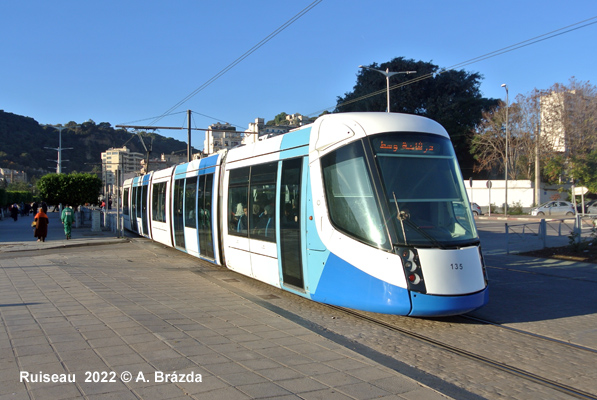
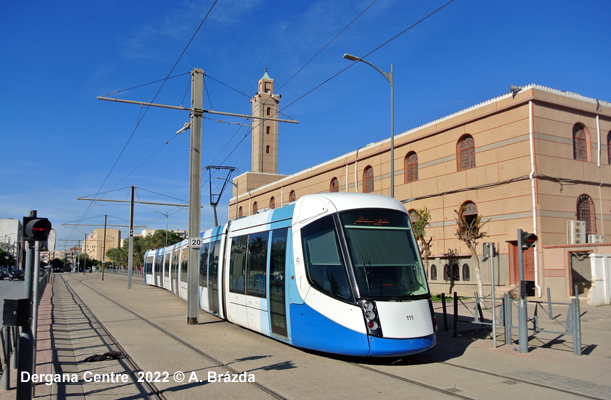
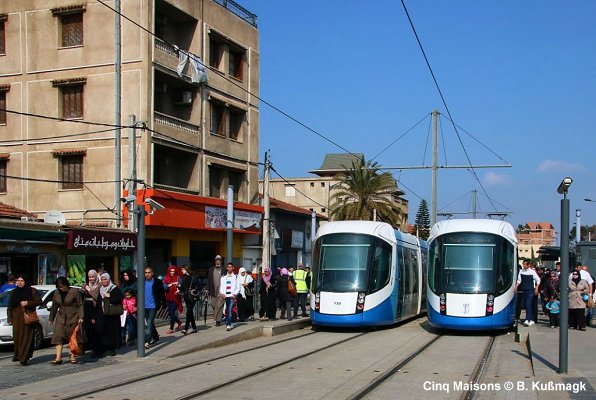
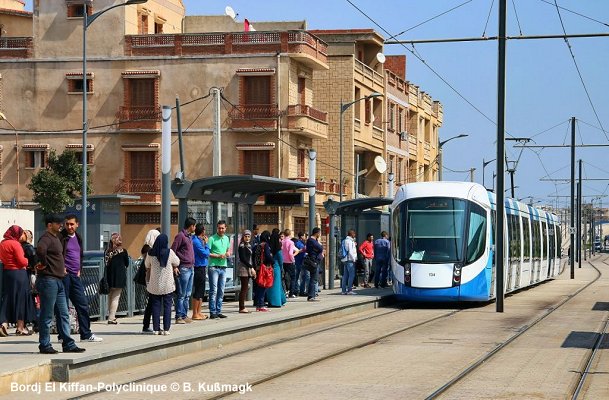
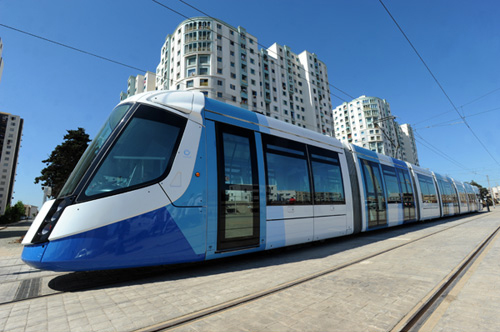
Is a faster and more reliable transport mode. The Metro is also environmental friendly. The government is in fact taking serious steps in this area. Companies involved in polluting industries will soon see their tax liability increase. The Algerian state budget for 2002 will introduce three new environmental taxes that are under attack by corporate groups. The targeted industries are the manufacturing, raw material processing and health care sectors. For the investors: Algeria is a young country, rich in natural resources, with substantial industrial potential. But it is not solely counting on its own human and natural resources, but also on an efficient international partnership. The Tramway as an alternative… As the metro is still waiting for many years before it is completed, another project was unveiled recently by the transport minister. A study is currently underway to build a tramway system in Algiers by French consulting firm Ingerop/Semaly. The preliminary details of the study call for the establishment of an eastbound line linking the city centre to Ain Taya and Bordj El Kiffan. This will be a 30 kilometer line with 30 station along the line. The 17-kilometer 20-station westbound system will link downtown to Bab El-Oued and Ain Benian. Ingerop/Semaly is scheduled to complete its study in seven months, immediately following the launch of an international tender for the construction phase of the Algiers-Bordj El-Kiffan line. The trains will carry up to 200,000 passengers daily. The Algerian government introduced the tramway project as part of its 2002 economic recovery package worth AD 490 billion.
Sources:1. The Money conversion: 1 DA = £0,00945 : www.oanda.com January 2002 2. The info, maps and the pictures : l'entreprise du metro d'Alger 3. Information about the metro project : The North African journal 4. The main legal instruments of investing in Algeria: http://www.algeria-un.org/English/The%20Government/Economic%20Reforms/Economic%20Reforms.htm
|
|||||
|
Links
|
|||||
|
Métro d'Alger (Official Site) Metro
Algiers at Wikipedia.de Metro d'Alger by Shakman - GHILI Anis |
|||||